Vulnerable Population: Veterans
Vulnerable populations are groups that are at high risk for health disparities and health problems (Sussman & Sinclair, 2022). The health disparities and problems are due to socially or economically disadvantages (Sussman & Sinclair, 2022). I have cared for many veterans in my nursing career, and I have witnessed firsthand the vulnerability and difficulties many of them face. Veterans have higher risks for mental health disorders, substance use, homelessness and suicide (Johnson et al., 2013).
(We the Veterans, 2024).
Homelessness
Veterans have a greater risk of homelessness than the general population. Twelve to thirty three percent of homeless adults are veterans (Johnson et al., 2013). Risk factors for homelessness among both veterans and nonveterans include substance abuse, mental abuse, physical abuse, lack of support, lack of affordable housing, and lack of employment (Johnson et al., 2013). For veterans, additional risk factors include post-traumatic stress disorder (PTSD), traumatic brain injury (TBI) and multiple deployments (Johnson et al., 2013). The military culture often correlates seeking help as a sign of weakness (Johnson et al., 2013).
(Thurston, 2022).
(Pinkston, 2024).
Substance Abuse
Substance use disorder (SUD) rates continue to climb in the veteran population (Teeters et al., 2017). Specific environmental stressors are linked to the increase of SUD in military veterans, including deployment, combat exposure, and post-deployment reintegration problems (Teeters et al., 2017). SUDs can also form due to PTSD and depression (Teeters et al., 2017). Histories of trauma, such as child abuse, have been shown to increase the risk of SUD in veterans. Often these victims join the military to escape their negative home environment (Teeters et al., 2017).
Treatment Options
Behavioral and pharmacological treatments are available to help reduce SUDs among veterans. Psychotherapy interventions include short term cognitive behavioral therapy interventions which focus on thoughts and behaviors associated with increased cravings to substances (Teeters et al., 2017). Motivational interviewing focuses on engaging veterans to seek treatment (Teeters et al., 2017).
To engage the younger veterans in treatment, Facebook and social media have helped recruit those with SUD to start treatment or seek options (Teeters et al., 2017). I think using social media will continue to target the younger population. It will be interesting to see what the continuing development of new technologies will bring to make treatment available and enticing to those who need it.
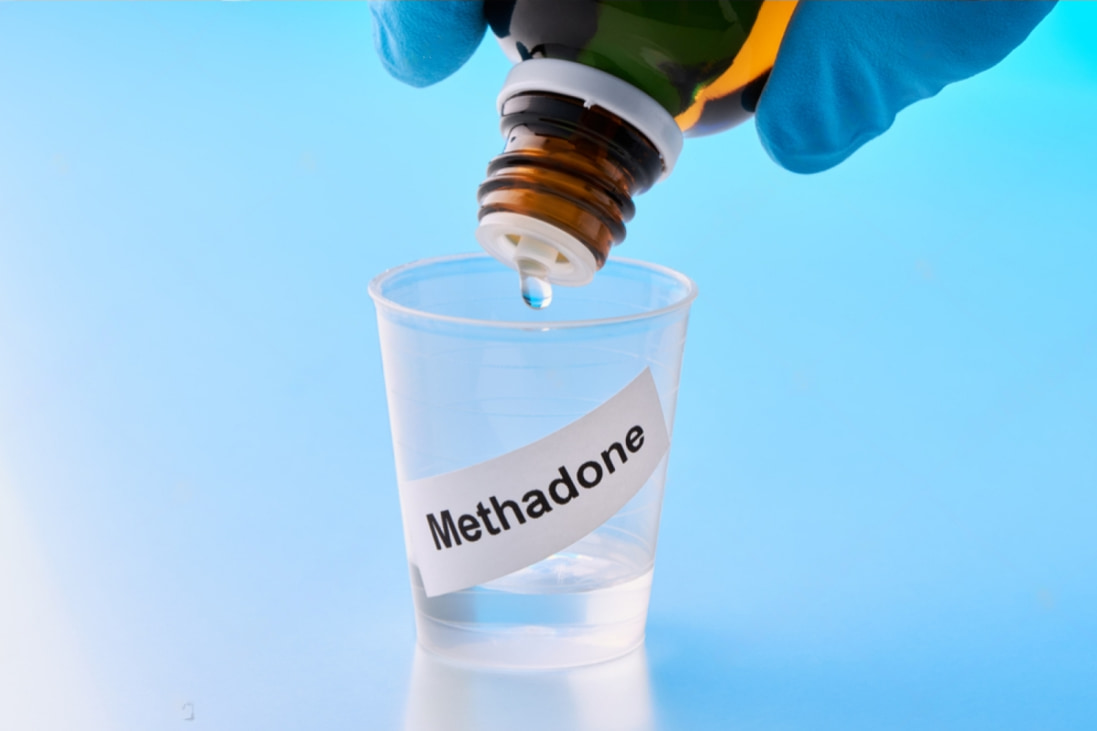
Medications including methadone, suboxone and naltrexone are approved by the FDA to treat opioid use disorders (Teeters et al., 2017).

41% of veterans live rurally, resulting in lack of access to care. Increases in telehealth treatment services have advantages including higher attendance, reduced stigma felt by patients, and reduced costs of travel (Teeters et al., 2017).
.
Substance use After Incarceration (Research article)
A study by Barry et al (2023) looked at the risk of SUD related emergency room visits and hospitalizations and overdoses among veterans who reenter the community after incarceration versus veterans who have never been in prison. Data was collected using national VA and Medicare healthcare systems data (Barry et al., 2023). The research proved that veterans reentering the community after incarceration had double the risk of experiencing SUD related hospital visits. These results prove how vulnerable the incarcerated veteran population is.
https://pubmed.ncbi.nlm.nih.gov/36781577/
References
Barry, L. C., Steffens, D. C., Covinsky, K. E.,
Conwell, Y., Boscardin, J., Li, Y., & Byers, A. L. (2023). High risk of
substance use disorder–related outcomes in veterans released from correctional
facilities in mid to late life. Journal of General Internal Medicine, 38(5), 1109–1118. https://doi.org/10.1007/s11606-023-08057-y
Johnson, B. S., Boudiab, L. D., Freundl, M., Anthony, M.,
Gmerek, G. B., & Carter, J. (2013). Enhancing Veteran-centered
care. American Journal of Nursing, 113(7), 24-39. https://doi.org/10.1097/01naj.0000431913.50226.83
Pinkston.
(2024, July 19). The State of Veteran Homelessness [2024] -
Mission Roll Call.
Mission Roll Call. https://missionrollcall.org/veteran-voices/articles/the-state-of-veteran-homelessness-2024/
Teeters, J., Lancaster, C., Brown, D., & Back, S.
(2017). Substance use disorders in military veterans:Prevalence and treatment
challenges. Substance
Abuse and Rehabilitation, Volume 8(1), 69–77. https://doi.org/10.2147/sar.s116720
Thurston,
A. (2022, November 9). Why Veterans
Remain at Greater Risk of Homelessness. Boston University; The Brink. https://www.bu.edu/articles/2022/why-veterans-remain-at-greater-risk-of- homelessness/
We
the Veterans. (2024). We
the Veterans. We the Veterans . https://www.wetheveterans.us/
What can be treated through telehealth?
| Telehealth.HHS.gov.
(n.d.). Telehealth.hhs.gov. https://telehealth.hhs.gov/patients/what-can-be-treated-through-telehealth