Pharmacological
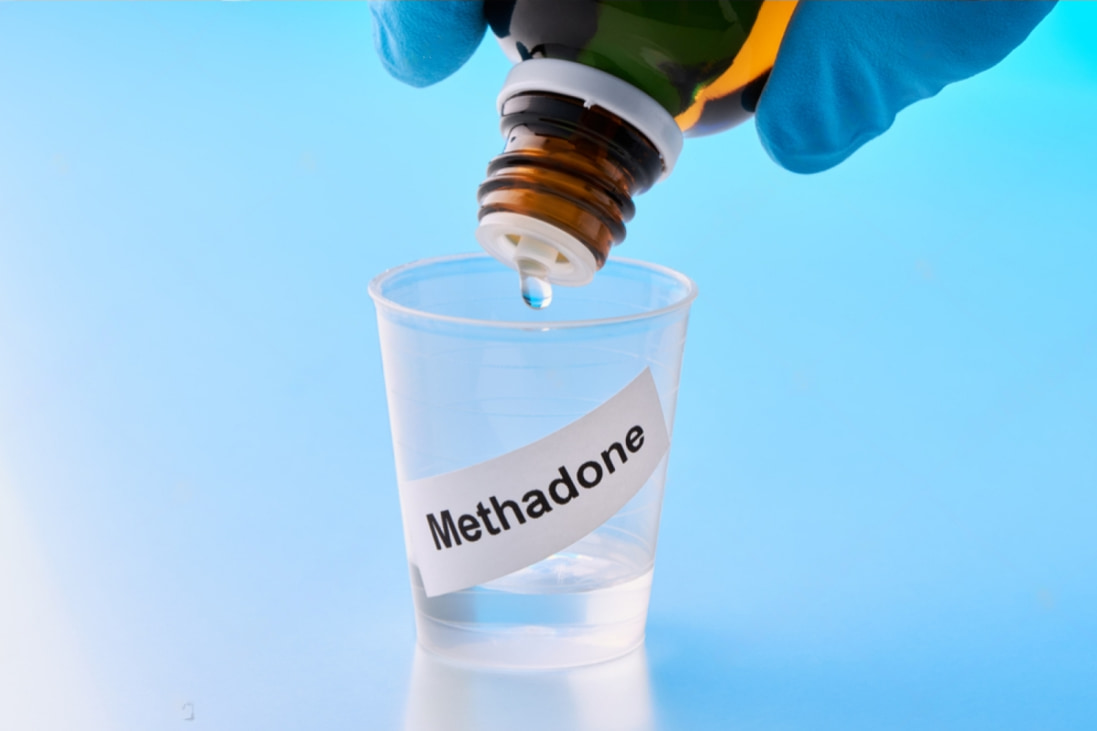
The most widely prescribed pharmacological opioid treatment medication is methadone and buprenorphine, or
Suboxone (Patel et al., 2021). Methadone
can help neuropathic pain and opioid intolerance and mimics the
effects of both morphine and heroin (Patel et al., 2021). Suboxone also can be used to treat pain but
has a less withdrawal effects than methadone (Patel et al., 2021). Methadone and suboxone both involve
regulations for prescribing, including only being dispensed through certified
treatment programs (Patel et al., 2021).
Barriers
to pharmacological treatment
When first starting methadone, it must be taken every
8 to 12 hours (Patel et al., 2021). This
is difficult for patients because it can only be dispensed at a certified
treatment center. These treatment
centers may not always be at a close distance to patients. Especially if patients can’t drive,
transportation to the treatment centers may be very difficult and stressful
(Patel et al., 2021). Lifting regulations around dispensary rules will allow
patients to fill these medications like the rest of their medications and allow them to take their medications at home (Patel et al., 2021).
Only 6% of physicians have received the authorization
waiver to prescribe suboxone, which leaves many counties in the United States
without a physician who can prescribe suboxone for treatment. This number is concerning, especially regarding the lack of care those with opioid use addiction receive. Many physicians admit to lacking knowledge,
education, and experience in prescribing suboxone and have little interest in
participating in the training to be certified in prescribing suboxone (Patel et
al., 2021). Education around addiction,
treatment, and prescribing suboxone and methadone needs to be done at a graduate
level. Mandated training and
certification can help increase access to physicians able to prescribe these medications
(Patel et al., 2021).
Contingency
Management
Contingency management
is proven to be one of the most effective treatments for opioid addiction, but
it is rarely used in healthcare (Patel et al., 2021). It uses positive reinforcement to reward
those who submit negative drug tests (Patel et al., 2021). Rewards such as
vouchers for money, food, and gift cards are given to those who continuously
provide negative drug screens (Patel et al., 2021). This seems like a great system to provide positive
reinforcement to those struggling with opioid abuse, but I honestly have never
heard of this! I have taken care of
hundreds of patients who have a substance use disorder and have never heard
them mention contingency management before.
 (Stock, 2024).
Patel, K., Bunachita, S., Agarwal, A. A.,
Lyon, A., & Patel, U. K. (2021). Opioid use disorder: Treatments and barriers. Cureus, 13(2). https://doi.org/10.7759/cureus.13173
Stock, P. (2024). Prizes Stock Illustrations – 7,636 Prizes Stock Illustrations,
Vectors & Clipart - Dreamstime. Dreamstime. https://www.dreamstime.com/illustration/prizes.html
What Is Methadone And How Does It Really Work? (n.d.). Methadone.org. https://www.methadone.org/

No comments:
Post a Comment