What is stigma?
Stigma is the negative beliefs, attitudes, or perceptions that can lead to discrimination and separate one group or person from the rest of society (Judd et al., 2021). Unfortunately, opioid use addiction is the most stigmatized health condition in the world (Cheetham et al., 2022). Society often views opioid addiction as a personal choice rather than a disease (Cheetham et al., 2022). The public views those with opioid use addiction as dangerous, manipulative, and undeserving of health care benefits, housing, and resources for food (Cheetham et al., 2022).
 (Substance Use Services Blog Series, 2020).
Stigma exists because of the lack of knowledge the public
has on the disease of addiction (Cheetham et al., 2022). The public often
hears the negative aspects of addiction through the media, such as the news
(Cheetham et al., 2022). The news is known for portraying the negative
side of stories for a more dramatic reaction from the public. How often
do we hear the positive aspects of improvement in opioid treatment facilities
on the news? Never. Usually the news talks about the number of overdoses and
deaths that follow addiction.
Stigma can
also exist because of the policies and regulations around treatment (Cheetham
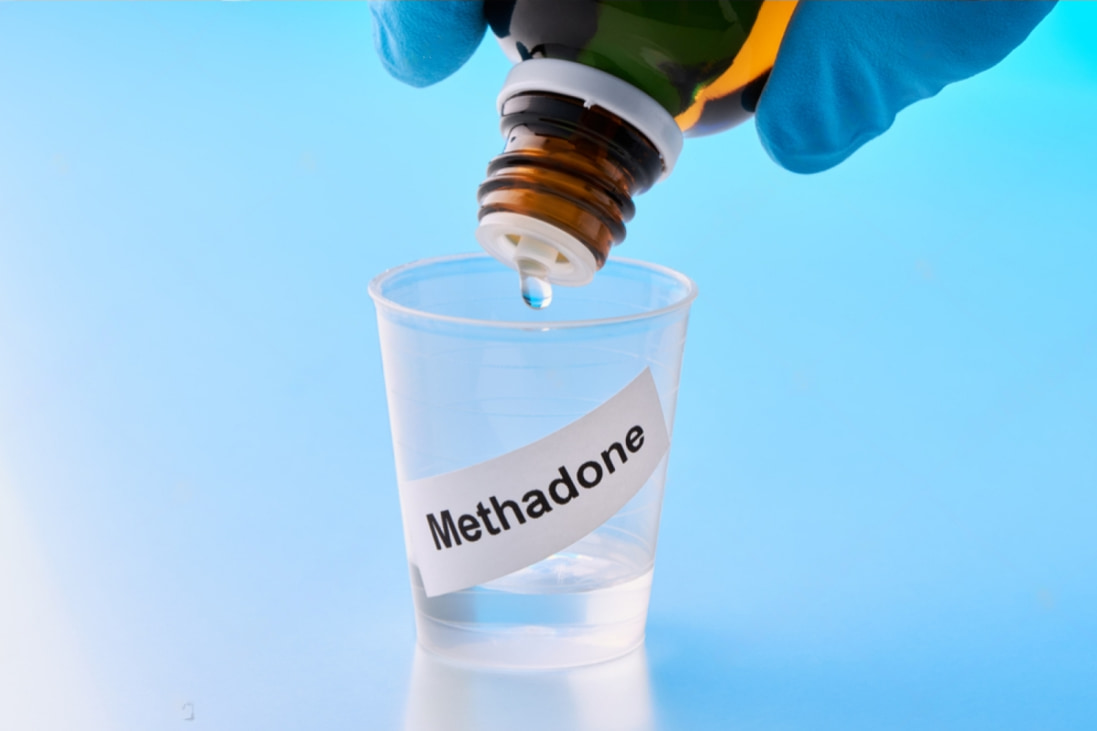
et al., 2022). Methadone and suboxone clinics have strict rules for
treatment, including drug testing, amounts of doses that can be filled at once,
where the medication can be picked up, and who is allowed to prescribe the
medication (Cheetham et al., 2022). The public forms a negative stigma around
treatment because of all the rules that exist.


Stigma can also cause a patient to lose social support and go into isolation (Christie, 2021). The shame from the stigma of opioid use addiction can lead to weaker relationships among friends and families (Christie, 2021). This isolation also leads to a lower desire to seek treatment opportunities which ultimately can lead to overdoses and mortality (Christie, 2021).
To avoid stigma, it is important to educate the public on addiction (Cheetham et al., 2022). The public needs to see that addiction is a disease and not a choice and that it can be treated successfully (Cheetham et al., 2022). The public needs to see videos such as Andrew Allen's interview from Husson University ( linked below).
In this interview, Andrew does an amazing job explaining how his addiction started, how it impacted his life, and how he never lost hope in finding treatment. Stories like Andrew's will speak to the public in a positive light.
Stigma can also be avoided by using destigmatizing language when discussing cases of patients with opioid use disorder (Cheetham et al., 2022). The words we choose to use are influential on the attitudes and beliefs of those around us (Cheetham et al., 2022). For example, using the term "druggie" should be replaced with "a person who suffers from opioid use addiction" (Cheetham, et al., 2022). The healthcare community as a whole needs to educate all staff about destigmatizing language in hopes of decreasing the stigma around addiction.
Cheetham, A., Picco, L., Barnett, A.,
Lubman, D. I., & Nielsen, S. (2022). The impact of stigma on people with
opioid use disorder, opioid treatment, and policy. Substance Abuse and
Rehabilitation, 13(13), 1–12. https://doi.org/10.2147/SAR.S304566
Christie, N. (2021). The role of social
isolation in opioid addiction. Social Cognitive and Affective Neuroscience, 16(7), 645–656. https://doi.org/10.1093/scan/nsab029
Confronting the Stigma of Opioid Addiction in
Nassau County FL. (n.d.). https://www.nassaufldrugprevention.org/what-is-stigma
Judd, H., Meier, C. L., Yaugher, A. C., Campbell,
E., & Atismé-Bevins, K. (2021). Opioid use disorder stigma reduction
through story telling narrative and sharing: A qualitative review and lessons
learned. International Journal of Mental Health and Addiction, 21(1).
https://doi.org/10.1007/s11469-021-00606-y
Substance Use Services Blog Series: Different
Kinds of Stigma, Shame, and Self-Compassion. (2020, June 18). Deltassist Family and Community
Services Society. https://deltassist.com/substance-use-services-blog-series-different-kinds-of-stigma-shame-and-self-compassion